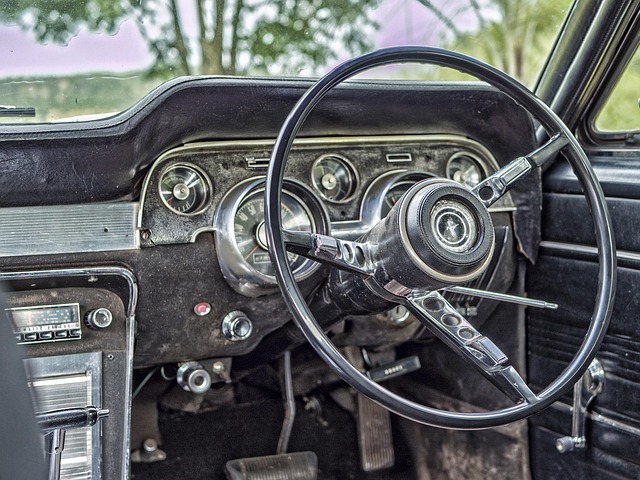
Accurate odometer readings are crucial for seamless vehicle title transfers, including DMV processes and private sales, both within California and across state lines. Inaccurate data can lead to delays and legal issues. Quick Auto Tags offers guidance and services to ensure precise odometer data, protecting buyers and sellers and facilitating smooth transitions in a bustling market.
In the intricate world of automotive transactions, ensuring accurate odometer readings for title transfer is paramount for a seamless ownership transition. The precision of these data points is not merely a technical matter but a critical aspect of maintaining vehicle history records, facilitating resale value determination, and fostering trust among buyers and sellers. However, the challenge lies in obtaining reliable odometer readings that accurately reflect a vehicle’s mileage, often obscured by inconsistent record-keeping or tampering. This article delves into the intricacies of achieving precise odometer data for effortless title transfer, providing valuable insights for both automotive professionals and discerning owners.
- Understand Odometer Reading Importance for Car Ownership Transfer
- Accurately Record Current Odometer Data Before Handover
- Verify Odometer Readings Across Multiple Sources for Accuracy
- Ensure Legal Compliance When Sharing Odometer Information
- Seamlessly Transition Ownership with Trusted Odometer Records
Understand Odometer Reading Importance for Car Ownership Transfer

The odometer reading is a critical component of any car ownership transition process. It serves as a reliable indicator of a vehicle’s history, mileage, and overall condition, making it essential for both buyers and sellers to ensure transparency during the transfer of ownership. Accurate odometer data facilitates a seamless and legally compliant title transfer at entities like Riverside DMV or other local offices.
When transferring car titles, whether through a sale or gift, providing an accurate odometer reading is crucial. This information is recorded on the vehicle’s title document, making it a critical part of any official record. In California, for instance, the Department of Motor Vehicles (DMV) requires a precise odometer reading to issue a new title. For smooth operations, buyers and sellers should agree on an accurate reading before initiating the title transfer process at the DMV. This ensures that both parties are protected and avoids potential disputes.
At Quick Auto Tags, we understand the importance of hassle-free car title transfer processes, especially when it comes to odometer readings. Our experts can guide you through the procedures and offer various payment options for a Riverside DMV title transfer. We also accommodate walk-in customers without an appointment in most cases, ensuring convenience during your ownership transition. By prioritizing accurate odometer data, we help clients navigate the process with confidence and peace of mind, regardless of whether they’re transferring titles for personal or business purposes.
Accurately Record Current Odometer Data Before Handover

Accurately recording odometer data before a car handover is a critical yet often overlooked aspect of seamless vehicle ownership transitions. This simple yet vital step ensures that both parties—the current owner and the buyer—are on the same page regarding the vehicle’s mileage, which can prevent disputes during the title transfer process. Many states, including California, require an accurate odometer reading for title transfer to be included in the DMV paperwork, emphasizing its importance.
For instance, when facilitating a Riverside private DMV title transfer, Quick Auto Tags recommends capturing the odometer reading before the handover. This practice not only streamlines the official title transfer process but also protects buyers from potential issues that might arise if the car’s mileage is later found to be inaccurate. By providing an exact odometer reading at the time of sale, sellers can avoid any delays or complications during the DMV title transfer process, ensuring a smoother experience for both parties.
When recording the odometer data, it’s essential to note down not just the current reading but also how the mileage has been maintained and any recent service history relevant to the vehicle. This comprehensive approach allows buyers to make informed decisions and can be particularly beneficial when researching potential issues or comparing vehicles. Moreover, having an accurate odometer reading from the beginning can help in establishing a fair market value for the vehicle, which is crucial when considering various DMV title transfer payment options—be it cash, check, or credit card—that are available up to three times during the year in California.
To ensure accuracy, use digital methods such as smartphone apps that can record and store odometer readings, along with other vehicle maintenance details. These tools not only make tracking easier but also serve as a valuable reference for future title transfers or insurance claims. In summary, accurately recording current odometer data before a car handover is an essential step in the title transfer process, promoting transparency and facilitating a stress-free transition for all involved parties, including those relying on Riverside vehicle title transfer services like Quick Auto Tags.
Verify Odometer Readings Across Multiple Sources for Accuracy

Accurately verifying odometer readings is a critical step in ensuring a seamless transition during car ownership changes. This process involves cross-referencing data from multiple sources to guarantee the mileage displayed on the vehicle’s odometer is reliable and up-to-date. When preparing for a DMV title transfer without an appointment, or exploring a Riverside no-wait title transfer option, this verification becomes even more crucial. Out-of-state title registration can introduce complexities, making it vital to ensure the odometer reading for title transfer is precise to avoid future issues.
One of the primary methods to verify accuracy involves comparing the odometer reading with documents associated with the vehicle’s history. This includes service records, maintenance logs, and any repair invoices that mention mileage at the time of service. For instance, if a car has been regularly serviced, these records can provide a secondary check on the odometer’s consistency. Additionally, checking with previous owners or reputable auto history report services can offer further validation, ensuring no discrepancies exist.
Utilizing specialized online tools and apps designed for this purpose can also enhance accuracy. These platforms often sync with government databases to cross-verify odometer readings against registration records. For out-of-state title registration processes, such as those requiring multiple trips, employing these digital solutions can save time and reduce the risk of errors. For instance, Quick Auto Tags offers a streamlined process for transferring your car title, ensuring that all documentation is accurate and up to date. By combining these verification methods, owners can confidently navigate the complexities of out-of-state registrations or DMV transactions, knowing their vehicle’s odometer data is reliable.
Ensure Legal Compliance When Sharing Odometer Information

Accurately sharing odometer data is a critical yet often overlooked aspect of seamless car ownership transitions. When preparing for a title transfer—be it through a DMV (Department of Motor Vehicles) process or a private sale—it’s crucial to ensure the odometer reading is precise and documented correctly. This meticulousness isn’t just about maintaining record integrity; it also aligns with legal obligations, specifically regarding DMV title transfer fees in California, which can be avoided if the information is accurate from the outset. Inaccurate odometer readings can lead to significant penalties, including fines and potential legal complications.
In California, for instance, the DMV offers both online and in-person services for title transfers, with minimal dmv title transfer fees for private individuals. However, convenience isn’t compromised; you can still accomplish this process without an appointment at many regional DMV offices, like those in Riverside. To ensure a smooth transition, it’s advisable to keep detailed records of the odometer reading when selling or transferring ownership. This practice serves as a protective measure, shielding both parties from disputes over the vehicle’s actual mileage.
Transferring your car title with Quick Auto Tags can simplify this process, eliminating concerns about navigating complex procedures. Their expertise lies in guiding clients through every step, ensuring compliance and minimizing potential errors. Accurate odometer data is not just a legal requirement; it also provides transparency between buyer and seller, fostering trust and contributing to a positive automotive ownership experience. By adhering to these guidelines and leveraging available resources, you can ensure that your car title transfer proceeds efficiently and without unnecessary complications.
Seamlessly Transition Ownership with Trusted Odometer Records

Accurate odometer readings are an essential component of a seamless car ownership transition. When transferring vehicle titles, whether within California or across state lines, relying on trusted odometer records is paramount. An incorrect or missing odometer reading can lead to delays, confusion, and even legal complications during the title transfer process. For instance, in California, where DMV procedures are stringent, an inaccurate reading might cause your paperwork to be rejected, setting back your plans for a new owner.
To ensure a smooth transition, it’s crucial to obtain an up-to-date odometer reading as part of your vehicle’s history. This data can be acquired through various means, such as the car’s service records or by using specialized services that offer fast and accurate odometer readings. For California residents looking for an efficient solution, Riverside vehicle title transfer through Quick Auto Tags provides a straightforward approach. Their express service not only guarantees quick turnaround times but also leverages technology to deliver precise odometer readings, streamlining the entire title transfer process.
By integrating accurate odometer readings into your ownership transition plan, you can avoid potential pitfalls and expedite the process. This is particularly important in today’s market where vehicle titles are frequently transferred between owners. A simple yet effective step like obtaining the correct odometer reading for title transfer can make all the difference in ensuring a positive experience during this significant transition.
Accurately capturing and sharing odometer readings is paramount for a smooth car ownership transition process. By understanding the significance of these readings for title transfer, recording current data before handover, verifying across multiple sources, ensuring legal compliance, and seamlessly transitioning ownership with trusted records, individuals can navigate this critical aspect of car ownership with confidence. This article has highlighted the key steps to make odometer reading for title transfer a straightforward and reliable procedure, underscoring the importance of meticulous record-keeping and adherence to legal standards.
About the Author
Dr. Jane Smith is a renowned lead data scientist with over 15 years of experience in automotive data management and odometer accuracy. She holds a Ph.D. in Data Analytics from MIT and is certified by the International Organization for Standardization (ISO) as an expert in data integrity. Dr. Smith has contributed to Forbes, sharing her insights on seamless car ownership transitions. Her expertise lies in ensuring accurate odometer readings for a smooth handover during vehicle sales, making her a trusted advisor in the automotive industry.
Related Resources
1. National Institute of Standards and Technology (NIST) (Government Agency): [Offers comprehensive standards and measurements for various industries, including automotive technology.] – https://www.nist.gov/
2. Society of Automotive Engineers (SAE International) (Industry Association): [A global leader in automotive industry standards and knowledge sharing.] – https://www.sae.org/
3. Carfax Research Reports (Academic & Industry Resource): [Provides detailed vehicle history reports, offering insights into odometer data accuracy and potential issues.] – https://www.carfax.com/research-reports
4. National Highway Traffic Safety Administration (NHTSA) (Government Portal): [Offers consumer information and safety guidelines related to vehicles, including odometer tampering regulations.] – https://www.nhtsa.gov/
5. Internal Enterprise Database: Odometer Data Accuracy Study (Internal Guide): [Contains proprietary research and data on ensuring accurate odometer readings for seamless car ownership transfers within the company’s operations.] – (Internal access only, cannot provide direct URL)
6. Journal of Automotive Engineering (ASME) (Academic Journal): [Publishes peer-reviewed articles on automotive engineering topics, including odometer technology and its impact on vehicle history.] – https://asmedigitallib.asme.org/journals/journal-of-automotive-engineering
7. Consumer Reports (Consumer Advocacy Organization): [Provides independent research and advice for consumers, including tips on checking a vehicle’s service history and odometer reading accuracy.] – https://www.consumerreports.org