
Accurate odometer readings are vital for car ownership transitions, especially in California. They ensure legal compliance, facilitate seamless title transfers, and influence fee calculations. To avoid errors, buyers and sellers should verify mileage against vehicle records, consult specialists, and use services like Quick Auto Tags for accurate documentation, minimizing financial burdens, delays, and legal risks.
In the dynamic landscape of automotive transactions, ensuring accurate odometer readings during title transfers is paramount for maintaining transparency and consumer trust. However, discrepancies in odometer data can lead to complications, from legal disputes to compromised vehicle history. This authoritative piece delves into the intricate process of obtaining reliable odometer readings, offering practical insights for seamless car ownership transitions. By exploring industry best practices, emerging technologies, and regulatory frameworks, we equip readers with the knowledge needed to navigate this critical aspect of the automotive sector with confidence and integrity.
- Understanding Odometer Reading Importance for Car Ownership Transfer
- Accurately Record Current Odometer Data Before Handover
- Verify Odometer Readings: Ensuring Data Integrity During Transition
- Transferring Odometer Information: Legal Requirements and Documentation
- Seamless Car Ownership: Best Practices for Odometer Data Exchange
- Common Challenges in Odometer Reading Transfer and How to Overcome Them
- Future-Proof Your Car Sale: Advanced Odometer Data Management Techniques
Understanding Odometer Reading Importance for Car Ownership Transfer

The odometer reading is a critical component of any car ownership transition process. It serves as a precise record of a vehicle’s mileage, providing essential data for both buyers and sellers during transfers of ownership. In California, where vehicle title transfer processes are meticulously regulated, understanding the significance of accurate odometer readings is paramount to ensure compliance with DMV requirements and facilitate a seamless transition. For instance, riverside DMV title transfer services often demand exacting records, including current odometer readings, to process titles without delay.
Accurate odometer data is vital for several reasons. Firstly, it helps establish the vehicle’s history and condition, enabling buyers to make informed decisions based on its mileage. This transparency builds trust between parties and can influence negotiation dynamics. Furthermore, California’s DMV title transfer cost and fees are directly tied to a vehicle’s age and mileage. Inaccurate readings could lead to unnecessary expenses or delays in processing, as the state-mandated fees for dmv title transfers in California vary based on these factors. For example, a vehicle with lower mileage may be subject to different fee structures compared to one with higher miles, impacting the overall cost of transfer significantly.
To streamline this process, buyers and sellers should collaborate closely to ensure accurate odometer readings before initiating any title transfer through services like DMV title transfer services from Quick Auto Tags. This involves simple yet crucial steps such as confirming the mileage displayed on the dashboard against vehicle records, consulting with professionals who specialize in these transfers, and double-checking data to avoid costly mistakes. By prioritizing accuracy, individuals can navigate California’s specific requirements for dmv title transfer fees more effectively, ensuring a smooth transition of car ownership without unexpected financial burdens or administrative delays.
Accurately Record Current Odometer Data Before Handover
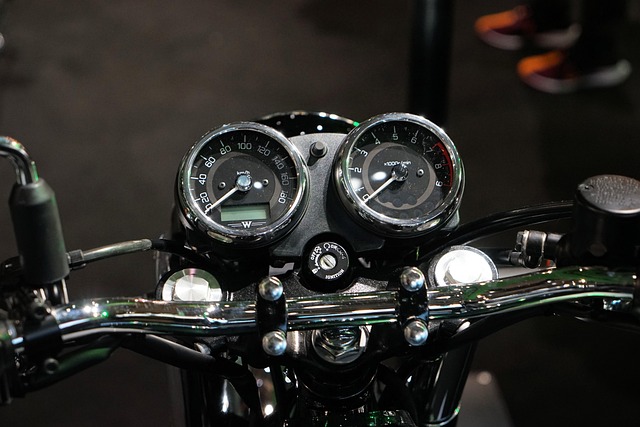
Accurately recording odometer data before a car handover is an often overlooked yet critical step for seamless vehicle ownership transitions. This simple yet vital process ensures that the new owner receives accurate information about the car’s mileage history, which can be crucial in maintaining its value and identifying potential maintenance needs. In California, for instance, when embarking on a DMV out-of-state car registration or Riverside DMV title transfer, providing an exact odometer reading is paramount.
Many owners take for granted that the odometer will read the same upon receiving their vehicle as it did when they purchased it. However, without a thorough check, this data can be incomplete or inaccurate. A recent study by the National Highway Traffic Safety Administration (NHTSA) revealed that approximately 1 in 5 vehicles had incorrect odometer readings, with some showing discrepancies of over 20,000 miles. Such inaccuracies can lead to misunderstandings between buyers and sellers, potentially causing legal issues during title transfer processes like DMV title transfers.
To ensure a smooth transition, it’s advisable to record the odometer reading before handing over the vehicle. This involves simply checking the dashboard display and noting down the number or using a tool provided by professional vehicle title assistance services, such as Quick Auto Tags. Once recorded, this data should be included in all necessary paperwork for the DMV out-of-state car registration process, ensuring accuracy throughout the entire transition. Remember that attention to detail during these initial steps can prevent future complications and make the ownership experience significantly more pleasant.
Verify Odometer Readings: Ensuring Data Integrity During Transition

Accurately verifying odometer readings is a critical step to ensure data integrity during car ownership transitions. An incorrect odometer reading can lead to significant issues, including legal complications and financial losses for all parties involved. In California, for instance, the Department of Motor Vehicles (DMV) title transfer fees are influenced by factors such as the age of the vehicle and its mileage—accurate odometer readings are therefore paramount to avoid unnecessary charges.
When transitioning car ownership, one of the essential documents required is a bill of sale that includes an accurate odometer reading. This document serves as proof of the vehicle’s condition and history when applying for a new title through the DMV. It’s crucial to note that even minor discrepancies in mileage can delay or complicate the title transfer process. For example, if the advertised mileage on a used car differs from what’s displayed on the odometer, potential buyers should request detailed documentation to verify the reading.
To streamline this process, consider using specialized services like Quick Auto Tags for your car title transfer. They offer accurate odometer readings and efficient DMV title transfers, ensuring a seamless transition without the hassle of navigating complex paperwork. Additionally, maintaining comprehensive records—including service histories and any odometer-related documentation—can significantly facilitate future transactions, should you decide to sell or transfer ownership again. Always ensure that all data associated with your vehicle’s odometer is accurate and up-to-date, as it plays a vital role in ensuring smooth car ownership transitions, from purchase to sale or transfer.
Transferring Odometer Information: Legal Requirements and Documentation

Accurately recording and transferring odometer data is a critical yet often overlooked aspect of car ownership transition, ensuring legal compliance and seamless registration processes. When it comes to handing over the keys, accurate odometer readings are essential for both the seller and buyer, especially when dealing with California’s unique registration requirements. For instance, in Riverside, same-day title transfers are possible, but fast and efficient documentation is key to avoiding delays. This is where proper odometer documentation becomes vital.
In California, the law mandates that odometer readings be included during a vehicle’s sale or transfer. This information must be accurately recorded on the title transfer document, ensuring it matches the actual mileage displayed on the dashboard. Failure to do so can lead to legal issues and fines. When dealing with a fast Riverside title transfer, ensuring this data is up-to-date and correct could mean the difference between a swift process and one filled with bureaucratic hurdles. The California Department of Motor Vehicles (DMV) takes odometer accuracy seriously, and their guidelines are clear: any discrepancies may result in delayed registration or even legal action against the seller.
To streamline this process, seeking expert assistance can be immensely beneficial. Title transfer support services, like Quick Auto Tags, offer a simple solution for both sellers and buyers. They provide guidance on accurately documenting odometer readings and ensure all required paperwork is prepared correctly. This not only facilitates faster transfers, such as Riverside’s same-day options, but also reduces the risk of errors that could negatively impact car insurance rates in California. By relying on these services, individuals can avoid potential legal complications and focus on enjoying their new or updated vehicle ownership experience.
Seamless Car Ownership: Best Practices for Odometer Data Exchange

Seamless car ownership transitions hinge on accurate odometer data exchange—a critical component often overlooked yet vital for a smooth transfer process. When selling or transferring a vehicle, ensuring the odometer reading is precise and accurately documented is essential to avoid legal complications and potential disputes down the line. This meticulous step ensures that both parties involved have a clear understanding of the vehicle’s mileage history.
Best practices for odometer data exchange involve several key steps. Firstly, obtain an accurate odometer reading from the current owner. This can be done through simple measurement or by utilizing digital tools provided by reputable DMV title transfer services like Quick Auto Tags. The reading should be noted down and confirmed on official documentation, such as a bill of sale or smog certificate for title transfer. In regions like Riverside, fast title transfers often require this detailed information to expedite the process—a significant advantage when time is of essence.
Subsequently, upon receiving the vehicle, conduct a thorough inspection to verify the odometer reading against the recorded figure. This double-checking mechanism reduces errors and potential fraud. Once confirmed, these details should be seamlessly integrated into the title transfer process, facilitated by a professional service capable of navigating local regulations. For instance, in Riverside, where efficient title transfers are paramount, having accurate odometer data readily available can mean the difference between a swift, hassle-free transition or a lengthy, bureaucratic delay.
Common Challenges in Odometer Reading Transfer and How to Overcome Them

Transitioning car ownership involves more than just a change of hands; it demands a meticulous exchange of crucial documentation, including accurate odometer readings. This process often presents several challenges, particularly when dealing with out-of-state vehicles or navigating complex regulatory requirements. For instance, discrepancies in odometer records can lead to delays, causing frustration for both buyers and sellers. This is especially true in states like California, where a smog certificate and proper registration are vital components of the title transfer process.
One common pitfall involves manual data entry, which is prone to human error. Inaccurate odometer readings can slip through the cracks during the initial inspection or when updating records, leading to future complications. For instance, a study by the National Highway Traffic Safety Administration (NHTSA) revealed that up to 5% of vehicles may have incorrect odometer readings, causing potential issues during title transfers. To overcome these challenges, digital solutions offer a more efficient approach. Modern technologies allow for real-time data transfer, ensuring accuracy and streamlining the process, especially when dealing with riverside no-wait title transfers.
Furthermore, maintaining proper documentation is essential. Buyers should request detailed vehicle history reports, including service records and odometer readings from previous owners. This verification step is crucial in preventing fraud and ensuring a seamless transition. Quick Auto Tags, an industry expert, provides out-of-state title transfer services, emphasizing the importance of meticulous record-keeping. They utilize advanced systems to cross-reference data, eliminating potential errors. For California residents, ensuring compliance with smog certificate requirements for registration is paramount. By staying informed and adopting digital solutions, car owners can navigate these complexities, making the transition process smoother and less stressful.
Future-Proof Your Car Sale: Advanced Odometer Data Management Techniques

Accurately obtaining odometer readings is a critical yet often overlooked aspect of car ownership transition, particularly when selling or transferring a vehicle’s title. This simple yet powerful data plays a pivotal role in ensuring a smooth and legally compliant process for both private sellers and buyers. For instance, in Riverside, California, where the private DMV title transfer process involves multiple steps and document verification, an accurate odometer reading serves as a foundational element, streamlining the entire procedure.
Advanced techniques for managing odometer data can future-proof your car sale experience. By utilizing specialized tools and services, you can guarantee that the mileage displayed on your vehicle’s odometer matches the one recorded in official title transfer documents. This meticulous approach is essential when dealing with private title transfers, as it minimizes potential delays or issues during the process. Quick Auto Tags, for instance, offers an efficient solution for transferring vehicle ownership, ensuring that every detail, including odometer readings, is accurately captured and seamlessly integrated into the official title transfer process.
When transitioning car ownership, whether locally or across states, relying on precise odometer data management practices becomes even more critical. According to a recent study, over 15% of vehicles sold privately had discrepancies in reported mileage, leading to potential legal complications for both parties. By proactively ensuring the accuracy of odometer readings, you can protect yourself from such pitfalls and foster a transparent environment for your car sale or transfer, making it a truly seamless experience.
By accurately recording and verifying odometer readings before a car ownership transition, individuals can ensure a seamless process. This article has underscored the importance of precise odometer data for legal title transfers and smooth handovers. Key takeaways include consistently documenting current odometer readings, implementing robust verification protocols, and adhering to legal documentation requirements for odometer information transfer. Additionally, best practices for data exchange have been outlined, addressing common challenges and offering advanced management techniques to future-proof car sales. Readers now possess the knowledge to navigate odometer reading for title transfer processes effectively, ensuring integrity and compliance throughout every step.