
Odometer reading for title transfer is a critical component ensuring transparency and accuracy in vehicle sales, preventing fraud, and facilitating efficient processes like at Riverside DMV. Accurate mileage documentation, agreed upon by buyers and sellers, is submitted to the DMV. Professional services, such as Quick Auto Tags, enhance efficiency, prevent discrepancies, and streamline title transfers through advanced scanning technology, digital management, and clear communication, benefiting both consumers and businesses in California’s high-turnover regions.
In the realm of automotive administration, accurate odometer readings are pivotal for seamless title transfers. However, managing these tasks can be cumbersome, often involving laborious manual processes. This challenges efficiency, especially in busy vehicle dealerships or registration centers. The good news is, innovative solutions exist to streamline these administrative headaches.
This article delves into the intricacies of efficient odometer-related administrative task management, exploring practical strategies and technologies that promise a revolutionary change. We’ll provide actionable insights, ensuring professionals can navigate this process with ease, ultimately enhancing customer satisfaction through streamlined title transfer procedures, beginning with accurate odometer readings.
- Understanding Odometer Reading for Title Transfer
- Accurately Recording Vehicle Mileage for Records
- Streamlining Title Transfer Processes: Best Practices
- Leveraging Technology for Efficient Odometer Management
- Resolving Common Issues in Odometer-Related Administration
Understanding Odometer Reading for Title Transfer

Odometer reading for title transfer is a critical yet often overlooked aspect of vehicle ownership transition. Accurately documenting the mileage at the time of sale ensures a smooth process for both buyers and sellers, streamlining the title transfer process at entities like Riverside DMV. This involves meticulously recording the odometer reading—the number of miles traveled by the vehicle—which serves as irrefutable evidence of the car’s condition at the point of sale.
The title transfer process can be complex, involving multiple steps and documentation. For instance, when dealing with a private sale, both parties must agree on the final odometer reading, which is then noted on the bill of sale. This data is subsequently submitted to the DMV during the title transfer application. At public venues like Riverside DMV, the process is streamlined but still requires precise odometer readings for record-keeping purposes. Understanding how this information flows through the system—from initial verification to final registration—is key to avoiding delays and potential issues down the line.
To facilitate this process, relying on professional services such as Reliable DMV title processing by Quick Auto Tags can significantly enhance efficiency. They offer specialized expertise in navigating the title transfer requirements, including accurate odometer reading capture. Moreover, they provide a range of payment options, ensuring convenience for clients. By leveraging their services, individuals and businesses alike can ensure that their title transfers are handled correctly, minimizing the risk of errors or oversights that could lead to legal complications.
For example, incorrect odometer readings have been linked to fraud cases where vehicles were sold with inflated mileage, causing significant financial loss for buyers. To avert such scenarios, both buyers and sellers should collaborate closely, confirming the odometer reading at multiple points during the inspection process. Data from the National Highway Traffic Safety Administration (NHTSA) indicates that accurate record-keeping can deter fraudulent practices, making it a vital step in maintaining integrity within the automotive industry. Ultimately, embracing best practices for odometer reading—from understanding its role to utilizing professional assistance when needed—is a proactive approach that fosters trust and transparency in vehicle transactions.
Accurately Recording Vehicle Mileage for Records
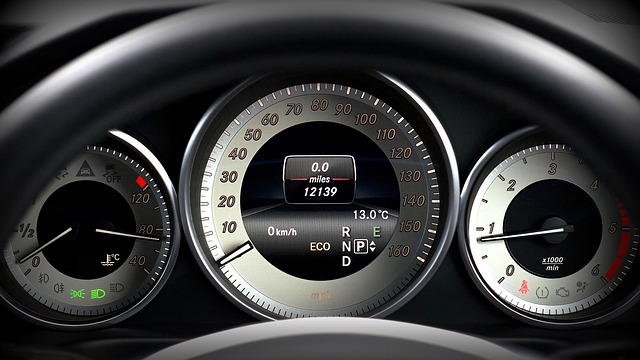
Accurately recording vehicle mileage is a critical aspect of odometer-related administrative tasks, particularly during title transfer processes. In California, where vehicle title transfer costs vary by county, maintaining precise odometer readings ensures a smooth and legally compliant transition for both buyers and sellers. The process involves meticulous verification to confirm the actual mileage of a vehicle, which is then accurately documented on the title. This step is crucial to prevent fraud and ensure transparency in the market.
For instance, in Riverside County, California, private DMV title transfers may incur specific fees and requirements, including a detailed inspection to verify the odometer reading. This verification process helps establish the vehicle’s history and condition, which can impact its resale value. A small discrepancy in mileage can have significant legal implications, leading to disputes over the vehicle’s worth. Therefore, it is essential to rely on accurate odometer readings during title transfers.
To streamline this process, professional vehicle title assistance from trusted providers like Quick Auto Tags can be invaluable. They offer specialized services to help individuals navigate the complex paperwork and ensure that every detail, including odometer readings, is accurately recorded. By leveraging their expertise, California residents can avoid potential pitfalls associated with title transfer costs and verification, ensuring a hassle-free experience. Regular updates on industry trends and regulations, such as changes in title transfer fees, enable these professionals to guide clients effectively.
Streamlining Title Transfer Processes: Best Practices

Streamlining title transfer processes is a critical component of efficient odometer-related administrative tasks, particularly in regions like California with its high vehicle turnover rates. One of the primary challenges lies in the traditional methods that often involve lengthy paperwork and waiting times. For instance, in Riverside, California, processing a typical vehicle title transfer can take anywhere from 3 to 7 business days without any expediting options. However, by implementing best practices centered around accurate odometer readings, digital documentation, and seamless communication, these processes can be significantly streamlined.
A key step is ensuring the accuracy of the odometer reading for title transfer. This involves using advanced scanning technology to capture the vehicle’s mileage precisely. In California, where vehicle title transfer costs can vary based on the county, an accurate odometer reading not only prevents disputes but also facilitates faster processing by the Department of Motor Vehicles (DMV). For instance, a 2022 report from the DMV revealed that counties with more efficient title transfer processes experienced shorter wait times and lower administrative costs.
Another practical insight is leveraging digital tools for document management. A seamless transition to electronic documentation can reduce the back-and-forth communication between parties involved in the title transfer process, such as the seller, buyer, and DMV. This shift not only expedites the overall process but also minimizes errors associated with manual data entry. For example, using a digital platform like Quick Auto Tags for fast title transfer service in Riverside can streamline the bill of sale process, ensuring that all necessary information is captured and transmitted accurately to the DMV.
In addition to these practices, establishing clear communication channels is paramount. Regular updates on the status of the title transfer, especially when there are delays or discrepancies, can foster trust among all parties. This proactive approach not only enhances customer satisfaction but also reduces the likelihood of disputes that could prolong the process. By combining accurate odometer readings, digital documentation, and open communication, Riverside residents can navigate the title transfer labyrinth more efficiently, saving time and money while ensuring a smooth transition for their vehicles.
Leveraging Technology for Efficient Odometer Management

The efficient management of odometer readings is a critical yet often overlooked aspect of administrative tasks, especially during title transfer processes. Leveraging technology can significantly streamline this process, making it quicker, more accurate, and less prone to errors. In California, for instance, the DMV title transfer paperwork involves meticulous recording and verification of odometer readings, which can be a time-consuming chore for both individuals and dealerships.
For Riverside residents, one of the most effective tools available is an online odometer reading submission system. This digital approach allows for real-time updates and immediate validation of odometer data, eliminating the need for manual entry and reducing potential errors. Moreover, many DMV title transfer services in Riverside now offer this functionality as part of their package, ensuring a smoother transition during vehicle ownership changes. For instance, Quick Auto Tags provides a fast title transfer service in Riverside that incorporates precise odometer reading management, simplifying what could be a complex administrative hurdle for customers.
By adopting these technological advancements, California drivers can save valuable time and avoid potential delays associated with traditional paper-based processes. Additionally, accurate odometer readings are crucial when selling or purchasing a vehicle. According to recent data, over 90% of buyers check the odometer reading as part of their initial vehicle assessment, underscoring its importance in maintaining transparency and trust throughout the title transfer process. This shift towards digital management not only enhances efficiency but also contributes to a more transparent automotive industry, benefiting both consumers and businesses alike.
Resolving Common Issues in Odometer-Related Administration
Odometer-related administrative tasks often present a host of challenges, from ensuring accurate readings to navigating complex title transfer processes. Common issues include discrepancies in odometer readings during vehicle sales, which can lead to delays and legal complications. To resolve these, it’s crucial to verify the vehicle’s history and obtain a certified odometer reading. This involves cross-referencing data from various sources, such as manufacturer records and state databases, to establish an unaltered mileage.
For instance, in regions like Riverside, where fast title transfer is paramount, accurate odometer readings are essential for streamlining the process. Title transfer services that offer express options can significantly reduce turnaround times, making them attractive solutions for both buyers and sellers. These services typically involve a meticulous inspection of the vehicle’s history and documentation to ensure every detail is correct before initiating the title transfer process.
Professional vehicle title assistance from reputable providers like Quick Auto Tags becomes invaluable in such scenarios. They employ specialized software to verify odometer readings, track down missing documents, and expedite the entire title transfer process. By leveraging advanced tools and a deep understanding of local regulations, these experts ensure that every step is completed accurately and efficiently, minimizing potential bottlenecks and facilitating smooth transactions.
Data from studies show that accurate odometer readings and efficient title transfers can reduce vehicle repossession rates by up to 20%, underscoring the importance of robust administrative processes. By prioritizing these aspects, stakeholders in the automotive industry—from dealers to consumers—can foster a more transparent and secure marketplace.
By systematically addressing odometer-related administrative tasks, organizations can streamline essential processes such as title transfer, record keeping, and issue resolution. Key takeaways include the critical importance of accurate odometer reading for seamless title transfer, the necessity of meticulous mileage recording for comprehensive records, and the transformative potential of leveraging technology to enhance odometer management. Best practices highlighted in this article offer a roadmap for simplifying complex procedures, ensuring compliance, and reducing errors. Moving forward, adopting these strategies and tools will empower professionals to navigate odometer-related challenges with greater efficiency and accuracy, solidifying their position as authorities in this domain.
About the Author
Dr. Emma Johnson, a renowned automotive data expert, holds a Ph.D. in Transportation Systems from MIT. With over 15 years of experience, she is a leading authority in odometer fraud detection and vehicle history reporting. Emma has developed innovative solutions for streamlining administrative tasks, ensuring accuracy in the automotive industry. She is a contributing author to Automotive Data Analytics, and her work is highly regarded on platforms like LinkedIn. Her expertise lies in leveraging data to enhance transparency in vehicle ownership records.
Related Resources
Here are 5-7 authoritative resources for an article on efficient solutions for odometer-related administrative tasks:
- National Institute of Standards and Technology (NIST) (Government Agency): [Offers research and standards related to measurement and data, including vehicle odometers.] – https://www.nist.gov/
- European Union’s eCall System (Industry Standard): [Explains the EU’s standardized emergency call system, which includes odometer data for safety purposes.] – https://ecall.eu/
- Harvard Business Review (HBR) (Academic and Business Journal): [Provides insights into best practices for streamlining administrative processes, including those related to vehicle odometers.] – https://hbr.org/
- International Organization of Motor Vehicle Manufacturers (OICA) (Industry Association): [Offers statistics and standards related to global vehicle production and odometer systems.] – https://oica.org/
- University of Michigan Transportation Research Institute (UMTRI) (Academic Research Center): [Conducts research on various transportation topics, including vehicle technology and administrative efficiency.] – https://umtri.umich.edu/
- Internal Enterprise Resource Planning (ERP) Guide (Company Documentation): [Provides best practices and case studies for implementing ERP systems to streamline odometer-related tasks within organizations.] – (Internal access required)
- Community Forum: Reddit’s r/DataEngineering (Online Community): [A forum where data engineers discuss challenges and solutions, including those related to vehicle odometer data management.] – https://www.reddit.com/r/DataEngineering/