
The odometer reading for title transfer is vital in Riverside for efficient DMV record-keeping and identifying vehicle history. Key documents include current registration, title, DV-7 form with accurate readings, proof of insurance, driver's license, and payment. California requires legitimate providers for odometer certificate replacement to combat fraud. Accuracy on application forms prevents delays. Professional services like Quick Auto Tags offer guidance, ensuring efficient title transfers by verifying odometer certificates and handling applications smoothly.
In the fast-paced world of vehicle transactions, ensuring a seamless title transfer process is paramount for both buyers and sellers. One often overlooked yet critical component of this process is the odometer reading—an accurate record that dictates the vehicle’s history and value. When considering a replacement odometer certificate, the task can seem daunting due to bureaucratic hurdles and potential delays. This article guides you through the essential steps to achieve a quick and efficient order replacement process, empowering you with the knowledge to navigate this aspect of vehicle ownership effortlessly.
- Understand Odometer Reading for Title Transfer Requirements
- Gather Necessary Documents for Replacement Certificate
- Locate Authorized Odometer Certificate Providers
- Complete Application Form Accurately and Legibly
- Submit Application and Pay Relevant Fees
- Receive and Verify Replacement Odometer Certificate
Understand Odometer Reading for Title Transfer Requirements

When it comes to transferring vehicle titles, understanding the significance of an odometer reading is paramount. This critical piece of information plays a pivotal role in the entire process, especially when dealing with out-of-state transfers like those facilitated by Quick Auto Tags. In riverside, where fast title transfer services are in high demand, knowing how to interpret and utilize odometer readings can streamline the experience for both individuals and local DMVs.
The odometer reading for title transfer serves as a reliable indicator of a vehicle’s history and mileage. It is a critical component required by the DMV during the title transfer process. This data ensures accuracy in record-keeping and aids in identifying potential issues that may impact the vehicle’s value or safety. For instance, a higher mileage might influence insurance rates or suggest maintenance concerns. By providing an exact odometer reading, owners can facilitate a smoother transaction, avoiding unnecessary delays or complications.
In Riverside, where the private dmv title transfer process is well-established, having accurate data from the outset can significantly speed up procedures. Payment options for these services typically include cash, credit card, or money order, offering flexibility to suit various client needs. Quick Auto Tags, a trusted name in out-of-state transfers, understands this and ensures a seamless experience by guiding customers through every step, including providing clear instructions on how to obtain the required odometer reading from their vehicle’s title. This proactive approach is designed to empower individuals to efficiently navigate the complex process of transferring titles, ensuring a swift and secure outcome.
Gather Necessary Documents for Replacement Certificate
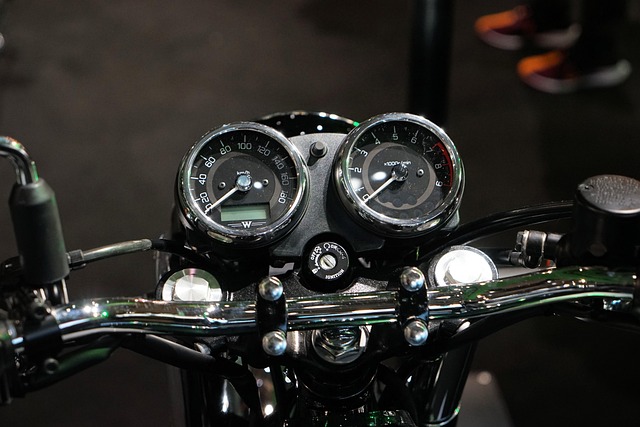
When initiating an odometer replacement certificate for a seamless title transfer process, preparation is key. Gathering the essential documents forms a critical step in this procedure, ensuring a smooth transition for your vehicle’s ownership. In California, specifically when dealing with a Riverside private dmv title transfer, you’ll require several key elements to facilitate this change effectively.
The first step involves obtaining the current vehicle registration and title, as these serve as the foundation for the replacement process. Additionally, a completed Application for Title Transfer (form DV-7) is necessary, which can be acquired from the California DMV. It’s crucial to ensure that all odometer readings are accurately recorded on this form, aligning with the intended purpose of the title transfer. Furthermore, you’ll need to present proof of insurance, demonstrating your vehicle’s coverage as per state regulations. A valid driver’s license and a check or money order for applicable fees round out the essential documents, ensuring compliance with DMV requirements.
Beyond these essentials, providing additional documentation may expedite the process. For instance, if there have been any previous title transfers or assignments, corresponding records should accompany your application. In California, the vehicle title transfer cost typically ranges from 1% to 3% of the vehicle’s value, making it a reasonable investment for a hassle-free transition. When considering a Riverside private DMV title transfer, remember that Quick Auto Tags can streamline this process, offering a straightforward solution for transferring your car title with efficiency and accuracy in mind.
Locate Authorized Odometer Certificate Providers
Locating authorized odometer certificate providers is a critical step in ensuring a smooth and legitimate title transfer process, especially when registering an out-of-state car in California. The DMV (Department of Motor Vehicles) requires accurate odometer readings for both title transfers and out-of-state registrations to combat odometer fraud, which can lead to severe legal consequences. In California, the DMV title transfer fees may vary depending on the vehicle’s age and type, making it essential to partner with reputable providers who offer precise and official documentation.
To find these providers, you can start by searching for “authorized odometer certificate providers in California” or consulting the official DMV website. The DMV provides a list of approved entities that can issue these certificates, ensuring their authenticity. Some providers may offer additional services like fast title transfer packages, as seen with Quick Auto Tags in Riverside, which could expedite the entire process, including the odometer certification step. It’s crucial to verify the provider’s credentials and check reviews to ensure a trustworthy service.
When selecting an odometer certificate provider, consider their turnaround time, pricing transparency, and customer support. Some services may offer same-day or expedited processing for an additional fee, which can be beneficial if you’re in a rush to complete your California car registration. Remember, the accuracy of the odometer reading is paramount, so ensuring the provider’s reliability is a vital step before initiating the title transfer, whether it’s for a local or out-of-state DMV title transfer.
Complete Application Form Accurately and Legibly

The process of replacing an odometer certificate is a crucial step for seamless vehicle registration and title transfer, especially when navigating California’s DMV procedures. One key aspect to ensure a smooth transition is filling out the application form accurately and legibly. This simple yet critical task can significantly impact the efficiency of your title transfer, particularly when coupled with the quick auto tags process for California registration.
A common pitfall many drivers encounter is incomplete or incorrect information on the odometer certificate application. To avoid delays, it’s essential to double-check each detail, including the vehicle identification number (VIN), current mileage, and previous owners’ information. The DMV in California requires these fields to be filled precisely to match the vehicle’s records, ensuring a valid title transfer. For instance, an off-by in the odometer reading could result in additional verification steps, prolonging the already quick auto tags title transfer process.
When completing the form, remember that clarity and accuracy are paramount. Use black or blue ink and ensure each section is legible. If you’re unsure about any part of the application, consult California’s DMV guidelines or reach out to their support for guidance. For those in Riverside, for instance, Quick Auto Tags offers assistance tailored to local requirements, making the odometer certificate replacement process even smoother, especially when coupled with their efficient title transfer services. This meticulous attention to form completion can save valuable time and prevent potential headaches during what should be a straightforward administrative task.
Submit Application and Pay Relevant Fees

Submitting your application and paying the relevant fees is a crucial step in the order replacement odometer certificate process, ensuring a swift vehicle title transfer. In California, this procedure involves several key elements. First, accurately record and submit your current odometer reading—a vital detail for title transfer as it provides proof of the vehicle’s mileage history. Alongside this, prepare the necessary application forms, which can be obtained from the California Department of Motor Vehicles (DMV). The DMV title transfer process requires precise documentation to prevent delays.
The fees associated with this service vary depending on your location and the specific circumstances of your vehicle. In California, the average cost for a private title transfer ranges from $150 to $300, including administrative charges and potential inspection fees. It’s important to note that these costs may differ if there are any additional complexities or if you opt for expedited processing. For instance, older vehicles or those with unique ownership histories might require further verification, impacting the overall title transfer cost in California.
To streamline this process, consider leveraging professional services like Quick Auto Tags, which offer comprehensive title transfer support made simple. Their expertise ensures that your application is handled efficiently, reducing potential errors that could delay the transfer. By following these steps and seeking guidance when needed, you can navigate the DMV title transfer process smoothly, enabling a swift transition for your vehicle ownership.
Receive and Verify Replacement Odometer Certificate

Receiving and verifying your replacement odometer certificate is a crucial step in the title transfer process, especially when navigating the California DMV procedures for same-day transfers in Riverside. This document plays a vital role in ensuring a smooth transition of ownership, particularly when utilizing private title transfer services that prioritize efficiency.
Upon request, the certified odometer reading on your replacement certificate should match the vehicle’s current mileage accurately. Cross-referencing this data with your car’s original title and the DMV’s records is essential for verification. Quick Auto Tags, a trusted service provider, emphasizes the importance of this step to prevent any potential delays or complications during the title transfer process. For instance, an off-by reading by as little as one mile could lead to issues when submitting the paperwork at the California DMV, causing unnecessary backlogs and frustrating delays for both buyers and sellers.
To streamline the verification process, keep detailed records of all transactions involving your vehicle’s odometer readings. This proactive approach ensures that you have irrefutable proof of the mileage at the time of sale, making it easier to demonstrate its authenticity during any future inspections or audits. Moreover, having accurate documentation can enhance the efficiency of subsequent title transfers, especially when utilizing same-day services in Riverside, where quick turnaround times are paramount.
By understanding the importance of odometer reading for title transfer and following a structured process, individuals can efficiently navigate the replacement certificate procedure. Gathering essential documents, locating authorized providers, completing applications accurately, and verifying certificates ensures a smooth transition during vehicle ownership transfers. This streamlined approach not only simplifies legal requirements but also reinforces the integrity of vehicle history records, ultimately benefiting both buyers and sellers.