
Accurate odometer readings for title transfers are vital in California to ensure transparency, prevent disputes, and streamline DMV processes. Reliable data from trusted sources like Quick Auto Tags saves time, money, and reduces risks of legal complications. Maintaining precise records benefits both sellers and buyers, facilitating efficient ownership transitions and compliance with state regulations. Using certified services ensures accurate measurements, saving costs and protecting against financial losses. Clear communication and detailed documentation are key to avoiding delays and ensuring a seamless car ownership experience.
Accurate odometer data is paramount for a seamless transition during car ownership changes. However, obtaining reliable readings can be a cumbersome task, often fraught with inconsistencies and potential manipulation. This article delves into the significance of precise odometer recordings in facilitating efficient title transfers, exploring current challenges and presenting innovative solutions to ensure authenticity. By implementing advanced verification methods and promoting industry standards, we aim to revolutionize the process, safeguarding both owners and dealerships alike.
- Understand Odometer Data Importance for Car Ownership Transfer
- Accurately Record Current Odometer Reading Before Selling
- Verify Odometer Accuracy Using Certified Tools or Mechanics
- Secure Documented Odometer Records for Smooth Title Transfer
- Ensure Odometer Reading Consistency Across Purchase and Sale Documents
- Facilitate Transition with Clear Communication of Odometer Data
- Verify Odometer Data Post-Sale to Prevent Fraud and Future Issues
Understand Odometer Data Importance for Car Ownership Transfer

Odometer data plays a pivotal role in the seamless transition of car ownership, particularly during the process of transferring a vehicle’s title. An accurate odometer reading is essential information that ensures all parties involved—from the current owner to the new one—are on the same page regarding the vehicle’s history and mileage. This becomes especially critical when considering the legal implications and potential financial impacts associated with title transfers, such as those required for DMV paperwork in California.
In the context of a title transfer, the odometer reading serves multiple purposes. Firstly, it provides transparency about the vehicle’s past usage, which is crucial for buyers and sellers alike to make informed decisions. For instance, knowing the mileage can help identify potential maintenance needs or signs of misuse, influencing negotiation terms. Secondly, accurate odometer data is integral to the DMV title transfer process, even if appointments are not required in California for certain types of transfers. The department relies on this information to verify vehicle identity and compliance with emissions standards—a 1-3 times check that’s vital for environmental protection and road safety regulations.
To ensure the integrity of odometer data during a title transition, it’s advisable to obtain an official odometer reading from a trusted source. Services like DMV title transfer paperwork from Quick Auto Tags can offer this service, ensuring the figure is accurate and traceable. This practice mitigates potential disputes later on, making the transfer process smoother for all involved parties. By prioritizing accurate odometer readings, car owners can safeguard their interests and ensure that the new owner receives a clear picture of the vehicle’s history and condition.
Accurately Record Current Odometer Reading Before Selling

Accurately recording the current odometer reading before selling a vehicle is a critical step in ensuring a seamless car ownership transition. This simple yet often overlooked process can save buyers and sellers time and money, particularly when navigating complex administrative procedures like California registration and title transfer. In the Golden State, where over 39 million vehicles are registered (as of 2021), maintaining accurate odometer data is not just a best practice—it’s legally mandated for smooth DMV title transfer services in Riverside and beyond.
Sellers should take the time to verify the vehicle’s odometer reading before listing it for sale. This involves checking the dashboard display, which can be done quickly during routine maintenance or servicing appointments. Many modern vehicles even have digital records of odometer readings that can be accessed through the onboard computer system. Once the current reading is confirmed, sellers should document this information accurately—it becomes a critical component in the title transfer process. In California, where vehicle title transfer costs can range from $25 to $100 (or more for certain types of vehicles), having an exact odometer reading can help avoid additional fees and processing delays.
Furthermore, ensuring accurate odometer data facilitates efficient car insurance for California registration updates. Insurance providers often require odometer readings as part of policy documentation, and discrepancies can lead to coverage issues or claims denials. By recording the odometer reading accurately before selling, you not only assist in the title transfer process but also ensure a smooth transition of ownership from a legal and administrative perspective. For instance, Quick Auto Tags offers services designed to streamline vehicle ownership transfers, emphasizing the importance of precise odometer data to avoid unnecessary delays.
In summary, accurately recording the current odometer reading before selling a car is an essential step in California’s registration and title transfer process. It not only helps prevent administrative hurdles but also ensures that buyers receive accurate information about a vehicle’s history. By embracing this simple yet effective practice, both sellers and buyers can benefit from a more efficient and hassle-free transition of vehicle ownership.
Verify Odometer Accuracy Using Certified Tools or Mechanics

Accurately verifying odometer data is a critical step in ensuring a seamless transition during car ownership transfers, especially when navigating the DMV title transfer requirements in California or other states. A discrepancy in mileage can lead to delays, increased costs, and even legal complications down the line. This is where certified tools and experienced mechanics come into play, providing a reliable means to confirm the odometer reading for title transfer purposes.
In California, for instance, when preparing for a smog certificate for title transfer, it’s essential to ensure that the vehicle’s mileage aligns with the recorded odometer reading on official documents. The DMV title transfer process inherently requires meticulous attention to detail, and an inaccurate odometer reading can pose significant hurdles. To streamline this aspect, many states now offer certified odometer reading tools or services, enabling individuals and dealerships to verify mileage before initiating a vehicle title transfer. These tools are designed with advanced technology, ensuring precise measurements that meet legal standards.
For those seeking efficient and cost-effective solutions, Quick Auto Ownership Transfer Service at Quick Auto Tags stands out as an industry leader. They offer comprehensive support, including odometer verification, to simplify the entire process. The average vehicle title transfer cost in California typically ranges from $100 to $300, depending on various factors. By utilizing certified mechanics and their specialized equipment, individuals can avoid potential pitfalls associated with incorrect odometer readings, ensuring a smooth transition for both buyers and sellers alike. This proactive approach not only saves time but also protects against financial losses that may arise from undetected mileage discrepancies.
Secure Documented Odometer Records for Smooth Title Transfer
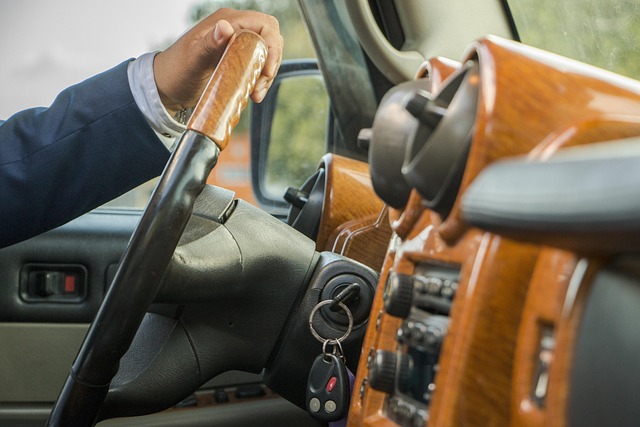
Maintaining accurate odometer data is a critical yet often overlooked aspect of seamless car ownership transition. When preparing for a title transfer, whether within or out of state, such as California’s DMV title transfer requirements, having detailed and documented odometer readings is paramount. This information not only facilitates the process but also ensures legal compliance and provides transparency to all parties involved.
For instance, in California, when transferring titles, a bill of sale and accurate odometer reading are essential components. Out-of-state registration may require additional steps, but having precise odometer data remains crucial for verification purposes. Many states accept an odometer reading from the seller as proof, whereas others mandate official documentation from a certified source. Quick Auto Tags understands this need for straightforward title transfer support, making it easier for owners to navigate these requirements.
To ensure a smooth transition, maintain detailed records of each odometer reading, especially at significant milestones like when purchasing or selling a vehicle. This practice not only simplifies the title transfer process but also serves as a protective measure against potential disputes. Accurate odometer data is a cornerstone of responsible car ownership and can save time, effort, and legal headaches during transfers. Always consult official guidelines for your specific state to ensure compliance with current regulations.
Ensure Odometer Reading Consistency Across Purchase and Sale Documents

Accurately documenting odometer readings during the car ownership transition is a critical yet often overlooked aspect of vehicle sales. Consistency in odometer data across purchase and sale documents ensures a seamless process for both buyers and sellers. Unfortunately, discrepancies can lead to delays or even legal complications during the transfer of title, such as when applying for DMV title transfer payment options or fees in California.
One common challenge arises from manual recording errors or inconsistent formatting of odometer readings. To mitigate this, buyers and sellers should ensure that the reading is clearly visible and accurately recorded on all relevant documents, including the bill of sale and vehicle registration. In some cases, digital solutions can help streamline this process, with apps or software designed to capture and verify odometer data before transferring ownership. Quick Auto Tags, for instance, offers title transfer support made simple through its express service, enabling faster and more accurate title updates by providing verified odometer readings directly to the DMV.
According to recent data, up to 10% of vehicle title transfers in California are delayed due to errors in odometer documentation. This highlights the importance of meticulous record-keeping during the sale process. By adopting best practices such as using standardized forms and taking advantage of digital tools, individuals can significantly reduce these delays and ensure a smoother transition for all parties involved. For example, some DMV title transfer fees in California are waived or reduced when odometer data is pre-verified, incentivizing accurate reporting from the outset.
Facilitate Transition with Clear Communication of Odometer Data

Accurate odometer data is a critical component of seamless car ownership transition. When transferring a vehicle’s title, whether through a Riverside no-wait title transfer or at your local DMV, having precise mileage information ensures a smooth process. This data directly impacts several key aspects including registration, insurance, and potential resale value. For instance, in California, where car insurance rates can vary significantly based on mileage, an accurate odometer reading is essential for securing competitive coverage.
Clear communication of odometer data is therefore paramount to facilitate transition efficiently. It’s not just about providing the number; it involves ensuring the figure is current, reliable, and traceable. Many vehicle owners overlook this step, leading to delays or errors in title transfer procedures, including DMV title transfer services from Quick Auto Tags. A simple oversight can result in significant inconveniences, such as extended wait times, additional fees, or even registration complications.
To mitigate these issues, consider implementing a structured process for recording and sharing odometer readings. Keep detailed records, whether through digital apps or traditional logbooks, to track maintenance milestones and fuel changes that influence mileage. When selling or transferring ownership, provide the new buyer with this comprehensive data. This proactive approach not only streamlines title transfer processes like DMV procedures but also cultivates trust between parties involved, ensuring a harmonious transition for all California vehicle registration needs.
Verify Odometer Data Post-Sale to Prevent Fraud and Future Issues

Odometer data verification is a critical yet often overlooked step in ensuring a seamless transition during car ownership changes. After a vehicle sale, it’s crucial to confirm the odometer reading for several reasons, primarily to prevent fraud and future legal issues. The California Department of Motor Vehicles (DMV) title transfer process naturally incorporates this step, as it requires accurate information for any title change. For instance, when transferring a vehicle in Riverside, California, you’ll need to provide an updated odometer reading along with the required title transfer fees, which can vary depending on the vehicle’s age and make.
Accurate odometer readings are essential because they serve as a historical record of a vehicle’s mileage. Any discrepancy could lead to problems when applying for smog certificates or future insurance claims. A smog certificate is another critical component of the title transfer process, ensuring your vehicle meets environmental standards. In Riverside, this process can be streamlined with a no-wait option, making it one of the fastest in the state. However, without precise odometer data, this efficiency could be hindered.
To ensure a smooth transition, consider engaging a reliable service like Quick Auto Tags for fast title transfer in Riverside. They can guide you through the process and help verify your odometer reading, ensuring compliance with DMV requirements. This proactive approach not only simplifies administrative tasks but also helps maintain the vehicle’s value and your reputation as an honest car owner. By taking this step, you’re safeguarding against potential future issues, making the transition period stress-free and secure.
Accurately capturing and sharing odometer readings is paramount for a seamless car ownership transition. By understanding the significance of odometer data, recording current readings accurately, and verifying their accuracy using certified tools or mechanics, owners can ensure smooth title transfers. Securing documented records and maintaining consistency across purchase and sale documents facilitates the process. Clear communication of odometer data eases the transition, while post-sale verification prevents fraud and future issues. The key takeaway is that meticulous handling of odometer readings is an indispensable step in responsible car ownership transfer, ensuring a clear and honest record for all parties involved.