
Obtain an accurate odometer certificate for a smooth legal vehicle registration process during title transfer in California, including Riverside. Locate and document your car's mileage upfront to avoid delays. Gather key documents, like application forms and valid ID, for a meticulously prepared title transfer. Update odometer readings on both old and new titles using remote DMV options. Maintain accurate readings to ensure legal compliance, prevent losses, and streamline registration. Professional services like Quick Auto Tags simplify this process, emphasizing accuracy and efficiency.
Maintaining accurate odometer readings is paramount during vehicle registration and title transfers. However, keeping track of these critical figures can pose a challenge for many owners. This article serves as your authoritative guide to navigating the process of updating odometer certificates for current vehicle registration. We’ll demystify the procedures, highlight best practices, and ensure you’re equipped with the knowledge to manage this essential aspect of vehicle ownership competently. By the end, you’ll be well-prepared to confidently update odometer readings, safeguarding your record and promoting a seamless transfer process.
- Understand Odometer Certificate Requirements
- Locate Your Vehicle's Current Odometer Reading
- Gather Necessary Documents for Title Transfer
- Submit Application to Update Odometer Certificate
- Verify and Maintain Updated Odometer Records
Understand Odometer Certificate Requirements

To ensure a smooth and legally compliant vehicle registration process, it’s crucial to understand the specific requirements for odometer certificates during title transfer. In many jurisdictions, including California, an accurate odometer reading is mandated for updating vehicle titles. This is particularly relevant when transferring ownership through the DMV (Department of Motor Vehicles) or using services like Quick Auto Tags for a streamlined experience in Riverside and beyond.
When preparing for a title transfer, the primary focus should be on obtaining a current and accurate odometer certificate. This document verifies the exact mileage of your vehicle, which is critical information for both legal record-keeping and ensuring transparency between seller and buyer. The process typically involves submitting an application to the DMV along with the necessary fees and proof of the vehicle’s current odometer reading. In California, this might include providing a signed statement from the current owner confirming the mileage at the time of sale.
Additionally, other documents like a smog certificate for title transfer may be required in certain areas, especially for older vehicles or those with recent emissions-related modifications. These additional certifications ensure that your vehicle meets safety and environmental standards set by local regulations. By understanding these requirements upfront, you can avoid delays and potential penalties during the DMV title transfer process. For instance, in Riverside, California, the DMV offers various payment options to facilitate this transaction, making it accessible for both individuals and private sellers.
Locate Your Vehicle's Current Odometer Reading
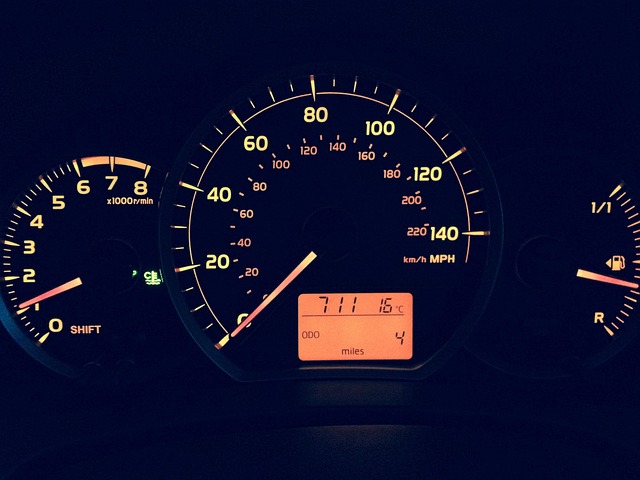
Locate your vehicle’s current odometer reading before initiating the transfer process. This critical step is often overlooked but plays a pivotal role in ensuring a smooth title transfer. In Riverside, for instance, DMV procedures allow for an efficient title transfer process, especially when using services like Quick Auto Tags that specialize in reliable DMV title processing. Accurately documenting your vehicle’s odometer reading at the outset saves time and potential headaches down the line.
There are several practical methods to determine your odometer reading. First, consult your vehicle’s driver-side door jamb where a sticker or label often displays this information. Many manufacturers also include it in the owner’s manual or within the vehicle’s service history records. If you’ve recently purchased the car, check the title document provided by the seller; the odometer reading is typically noted there as well.
For those embarking on a Riverside DMV title transfer without an appointment, having your odometer reading ready is paramount. This data is not only required for the title transfer application but also facilitates cross-referencing with state records to verify the vehicle’s history. By proactively gathering this information, you can streamline the entire process and potentially avoid delays or complications that might arise from missing or inaccurate details.
Gather Necessary Documents for Title Transfer
When initiating a vehicle title transfer in California, ensuring you have all the necessary documents is paramount for a smooth process. This includes gathering crucial information like the odometer reading for title transfer—a critical detail that verifies the vehicle’s mileage history. The accuracy of this data is essential to comply with DMV title transfer requirements in California and avoid potential delays or issues.
In preparing for this task, it’s helpful to anticipate what you’ll need. For a start, you’ll require an application form, available from the California Department of Motor Vehicles (DMV), filled out completely. This includes providing detailed information about both the donor and recipient vehicles, including their make, model, year, and odometer readings. Additionally, a valid driver’s license or state ID and proof of insurance are essential documents to include. If you’re transferring a title from an out-of-state vehicle, Quick Auto Tags can offer express services to streamline this process, ensuring compliance with all necessary regulations.
The cost of a vehicle title transfer in California varies based on several factors, including the type of transaction and whether it’s done through the DMV or a third party like Quick Auto Tags. Express services may come at a premium but promise faster processing times, which can be beneficial for those with urgent needs. For instance, transactions conducted online or by mail typically have associated fees, while in-person transfers might require additional charges for title duplication or other administrative tasks. It’s always advisable to inquire about these costs beforehand to budget accordingly.
Submit Application to Update Odometer Certificate

When preparing for a vehicle title transfer, one of the crucial steps is ensuring your odometer reading is accurately updated on both the old and new titles. This process involves submitting an application to update the odometer certificate, which can be a straightforward procedure if navigated correctly.
In California, the DMV offers several options for transferring vehicle titles without requiring an in-person appointment, providing convenience and flexibility during peak hours or for those with busy schedules. The application typically requires you to provide your current registration details, vehicle identification number (VIN), and the updated odometer reading. It’s essential to ensure the accuracy of this data as it directly impacts the title transfer process. For instance, an error in the VIN can delay the transfer, so double-checking this information is paramount.
Title transfer support made simple by Quick Auto Tags streamlines this process even further. By utilizing their express service, customers can avoid lengthy DMV visits and waiting times. They guide you through the documentation, ensuring your application is complete and accurate, which is particularly beneficial when transferring titles between family members or in cases of estate planning. Remember, an updated odometer certificate is a vital component of this process, and with the right assistance, it can be easily achieved, ensuring a smooth transition for your vehicle’s registration.
Verify and Maintain Updated Odometer Records

Maintaining accurate odometer readings is a critical yet often overlooked aspect of vehicle registration. When preparing for a title transfer, ensuring your odometer reading is up-to-date is crucial for both legal compliance and peace of mind. In California, for instance, the DMV title transfer paperwork includes specific sections dedicated to recording the odometer reading, underscoring its significance in the process. A simple yet meticulous verification of this data can prevent potential issues during registration.
For example, a 2018 study by the National Highway Traffic Safety Administration (NHTSA) revealed that incorrect odometer readings on vehicles sold privately led to substantial losses for both buyers and sellers. This is where professional services like Quick Auto Tags excel in simplifying DMV paperwork for title transfer, especially in Riverside. Their expertise ensures that every detail, including accurate odometer readings, is accurately documented, streamlining the process and minimizing errors. By confirming these figures early, you can avoid delays or complications later in the registration process.
When updating your odometer certificate, it’s essential to follow established procedures. Most states require a simple form to be filled out with the current mileage reading, which can often be found on the vehicle’s inspection report or service records. For California residents, the DMV provides straightforward guidance on their website, making the title transfer process more accessible and efficient. Remember, an updated odometer reading for title transfer is not just a paperwork chore; it’s a vital step in maintaining the integrity of your vehicle’s history and ensuring a smooth transition during registration.
By understanding the critical role of an odometer reading for title transfer, you’ve equipped yourself with a powerful tool for navigating vehicle registration updates. This process ensures accuracy and legality, which are paramount when transferring ownership. Key takeaways include recognizing the necessity of current odometer readings, gathering essential documents, and submitting a complete application to initiate the update. Additionally, maintaining meticulous records is vital for future references and seamless transactions. Embracing these steps will streamline your experience, making it easier to manage and transfer vehicle ownership responsibly and efficiently.